


Sara Britton, Author at The Brain Injury Alliance of New Jersey
1-732-783-6172
info@bianj.org

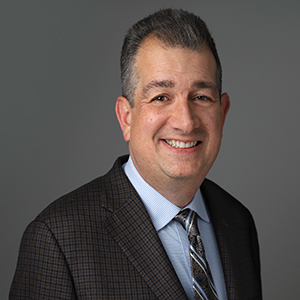
BIANJ Board Vice President Receives National Award

Brian Greenwald, MD Honored by North American Brain Injury Society for Innovative Clinical Treatment

NORTH BRUNSWICK, NJ, March 12, 2026 — The Brain Injury Alliance of New Jersey (BIANJ) is proud to announce the organization’s board vice president, Brian Greenwald, MD, will be receive the North American Brain Injury Society (NABIS)’s 2026 Award for Innovative Clinical Treatment. The award will be presented at the NABIS’s 18th Annual Conference on Brain Injury in Arlington, VA on March 13.

The NABIS Innovative Treatment Award recognizes pioneering approaches that improve treatment and rehabilitation for individuals with brain injury. Dr. Greenwald will be honored for his leadership in developing and implementing innovative, patient-centered treatment models that have transformed rehabilitation practices and outcomes.

“I’ve had the privilege of serving alongside Dr. Greenwald on our board for more than 20 years, and during that time I’ve seen firsthand the extraordinary passion and dedication he brings to this work,” said BIANJ Board President Steven Benvenisti, Esq. “Dr. Greenwald’s commitment to developing truly client-centered treatments has helped reshape the way we approach brain injury rehabilitation and, more importantly, has improved the lives of countless individuals and families. This recognition is richly deserved, and I am truly delighted to see his remarkable contributions and lasting impact celebrated.”

Dr. Greenwald is currently the medical director of Rehabilitation Specialists (Fair Lawn, NJ) and associate fellowship director for JFK Johnson’s Brain Injury Medicine Fellowship. He is also a professor of Physical Medicine and Rehabilitation at Rutgers Robert Wood Johnson Medical School and Hackensack Meridian School of Medicine. An award-winning clinician and researcher, Dr. Greenwald has published extensively on brain injury rehabilitation and continues research to improve care for survivors. He joined the BIANJ Board of Trustees in 2002.

“BIANJ is incredibly fortunate to have Dr. Greenwald serving as our vice president. We see firsthand how his innovative, client-centered treatment approaches transform people’s lives,” said Wendy Berk, MSW, LCSW, Chief Executive Officer of BIANJ. “He is approachable, deeply respected, and truly valued by his patients and peers. His work is helping shape a better future for people living with brain injury, and we are grateful to have a front-row seat to the impact he makes every day.”

About the Brain Injury Alliance of New Jersey
BIANJ is a statewide nonprofit dedicated to improving the quality-of-life people experience after brain injury. Since being founded in 1981 by a small group of concerned parents of children who had sustained brain injury, BIANJ has grown to become the primary source of information, education, advocacy, support, and hope for people with brain injury and their families in New Jersey. For more information, please visit www.bianj.org.


Read more

Neurorehabilitation: How Occupational Therapy Helps Older Adults Rebuild Executive Function After TBI

Summarized By Dr. Ashley Choi, OTD, OTR/L
January 2026

Introduction

Recovering from a traumatic brain injury (TBI) often feels like trying to find your way through a maze without a map. Tasks that were once a breeze like planning your day, keeping appointments, and cooking a meal, can suddenly feel impossible. For older adults, the challenge can be even greater, as aging and injury intersections compound the difficulties after TBI.

Background

A recent study in the Annals of Physical and Rehabilitation Medicine explored how a 12-week multimodal cognitive rehabilitation program, known as the Cognitive Enrichment Program (CEP), helped adults aged 57 to 90 regain control over their thinking skills after TBI. The CEP, led by rehabilitation professionals such as occupational therapists and neuropsychologists, focused on strengthening executive functions, or higher-level cognitive skills such as planning, organizing, problem-solving, decision-making, and emotional regulation.

When seeking rehabilitation after TBI, you may discover occupational therapy (OT). OT’s help to identify and facilitate the rehabilitation of executive functioning skills such as memory, problem solving, and planning to name a few. In the CEP, participants practiced strategies for neurorehabilitation: setting goals, using structured routines, applying problem-solving steps to daily activities, and developing self-awareness of cognitive strengths and challenges. These higher-level cognitive skills can be re-learned after TBI to enable clients to formulate strategies for adapting, modifying, or building routines after brain injury.

Results

The results from the study were promising. Compared with those receiving standard rehabilitation, participants who completed the CEP showed greater improvement in planning and multitasking, fewer rule-breaking errors on cognitive tests, and better self-monitoring skills. Furthermore, six months after the program ended, they had resumed more of their previously abandoned daily activities, from hobbies to social engagements.

This kind of long-term impact reflects the need for TBI cognitive rehabilitation programs ensuring a client’s return to meaningful occupations. By guiding clients through self-reflection, graded challenges, and habit restructuring, OTs help older adults not only restore cognitive function but also rebuild confidence and autonomy in daily life.

For older adults recovering from a TBI, this research underscores a vital message: individualized neurorehabilitation is foundational in recovery after brain injury. Through individualized cognitive retraining, activity analysis, and real-life application, it is important to seek specialist guidance in retraining of the brain’s executive functions, in order to live more meaningfully after injury.

For more information: https://doi.org/10.1016/j.rehab.2021.101559

Read more

Association of early blood-based biomarkers and six-month functional outcomes in conventional severity categories of traumatic brain injury: capturing the continuous spectrum of injury

Summarized by Tulika Das, MS

October 2025

Doctors use a test called the Glasgow Coma Scale (GCS) to measure how serious a brain injury is. A higher score means a milder injury, and a lower score means a more serious one. Another test, called the Glasgow Outcome Scale Extended (GOSE), helps track how well someone recovers over time. While these tools are helpful, they don’t always show the full picture—especially for people with mild brain injuries, who might still experience lasting problems even when their test scores seem normal.

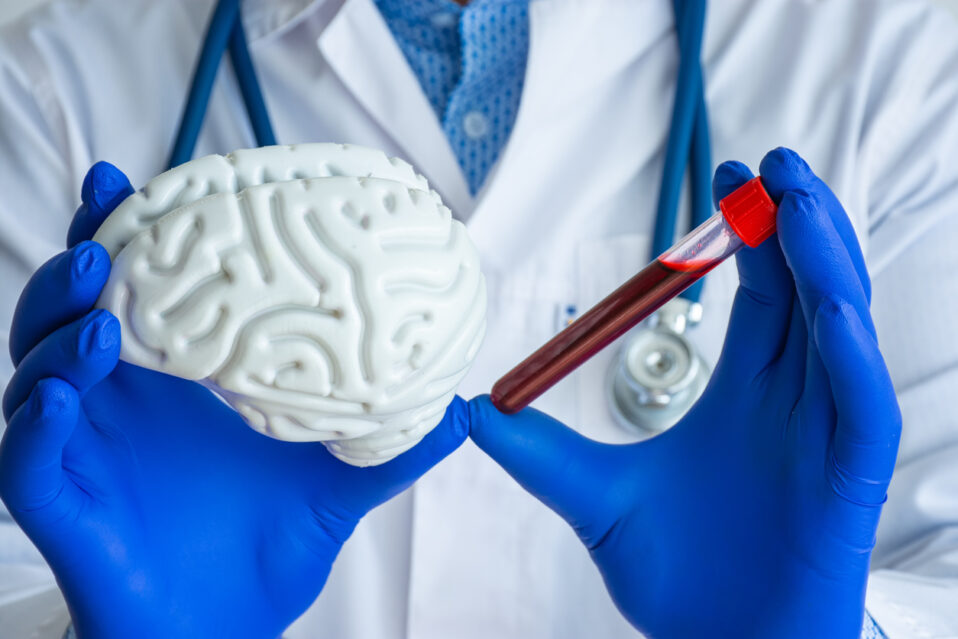
Researchers have found that looking at biomarkers—special proteins in the blood—can help doctors better understand brain injuries. When brain cells are damaged, these proteins increase in the bloodstream. Three biomarkers are especially useful: NFL, which shows nerve damage; UCH-L1, which signals injury to brain cells; and GFAP, which indicates changes in the brain’s support cells. Higher levels of these markers usually mean the brain has been more seriously hurt.

In a study of 2,479 people with different levels of brain injury, researchers found that biomarker levels increased as injuries became more severe. Even people with mild injuries showed patterns in their blood that matched how much damage showed up on brain scans. Those with higher biomarker levels were more likely to have ongoing problems or slower recovery, while those with lower levels tended to heal better.

Overall, this study suggests that blood tests for biomarkers can give doctors and families a clearer picture of brain injury and recovery. For patients with mild injuries, these tests can help doctors identify who might need extra care early on. For people with severe injuries, the results can guide families in understanding what to expect and making informed choices about treatment and long-term care.

For more information https://pubmed.ncbi.nlm.nih.gov/39191173/

Read more

Evidence-Based Review of Randomized Controlled Trials of Interventions for Mental Health Management Post-Moderate to Severe Traumatic Brain Injury

Summarized by: Riya Patel, MD

June 2025

Traumatic brain injuries (TBIs) occur when there is a strong force applied to the head. The resulting injury can cause mental health problems, such as depression and anxiety, negatively impacting a TBI patient’s daily living and overall quality of life.

The Journal of Head Trauma Rehabilitation’s article “Evidence-Based Review of Randomized Controlled Trials of Interventions for Mental Health Management Post-Moderate to Severe Traumatic Brain Injury” delved into both medication and non-medication treatments for moderate to severe TBI patients experiencing resulting mental health problems after injury. The article reviewed 87 randomized controlled trials with a total of 6471 TBI patients, all published between 1988 and 2022.

They found that medications, such as cerebrolysin and desipramine, were effective in improving depressive symptoms within TBI patients. Other medication therapies, such as methylphenidate, rivastigmine, and melatonin, showed conflicting results in improving mood and anxiety. Non-medication therapies included cognitive behavior therapy, which helped patients with anxiety symptoms and feelings of hopelessness. It also showed equal effectiveness in treating post-TBI depression as supportive psychotherapy. Acceptance and commitment therapy also demonstrated effectiveness for anxiety and depression. Moreover, physical activity treatments, such as dance, walking, and Tai Chi, were shown to help with mood and depressive symptoms.

In conclusion, it is important to consider both medication and non-medication treatments for mental health problems post-TBI and discuss with healthcare professionals about which would be best for them, factoring in time, resources, and goals of care.

For more information, view the article: https://journals.lww.com/headtraumarehab/pages/articleviewer.aspx?year=2024&issue=09000&article=00003&type=Fulltext

Read more