


What is a concussion?
A concussion is often referred to as a mild traumatic brain injury (mTBI) caused by a bump, blow, or jolt to the head or by a hit to the body that causes the head and brain to move rapidly back and forth. This sudden movement can cause the brain to bounce around or twist in the skull, stretching and damaging brain cells and creating chemical changes in the brain. A person does not necessarily lose consciousness after a concussion. Concussions are usually not life-threatening, but they should be taken seriously.
Remember:
- A concussion/mTBI is a brain injury, not just ‘seeing stars’.
- Many people will recover completely within 2-3 weeks if given the proper periods of rest and a gradual return to activities.
- Repeated concussions occurring over an extended period can result in cumulative neurological and cognitive effects. Repeated concussions occurring within a short period of time can be catastrophic.

Request a Workshop
BIANJ offers customizable workshops for parents, teachers, and coaches. Contact us today to get your school up to speed on concussion prevention, recognition, and treatment.
Symptoms of Concussion
Symptoms of concussion can vary, but common signs include:
- Dizziness
- Headaches
- Blurred Vision
- Nausea
- Vomiting
- Slurred Speech
- Appearing Dazed, Confused
- Ringing in the Ears
- Delayed Response to Questions
When to Seek Medical Attention
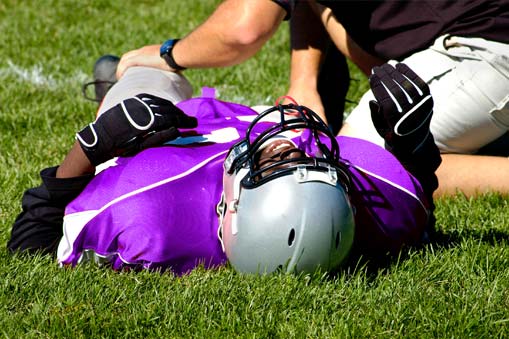
Healthcare professionals recommend individuals contact their physician, call 911 or go to the nearest emergency department immediately if someone sustains a bump, blow, or jolt to the head and has any of these symptoms:
- A headache that gets worse and does not go away
- Weakness, numbness, or decreased coordination
- Repeated vomiting or nausea
- Slurred speech
- Drowsiness or cannot be awakened
- Pupil asymmetry
- Convulsions or seizures
- Does not recognize people or places
- Increased confusion, restlessness, and agitation
- Unusual behavior
- Loss of consciousness

Treatment
Many people who have a concussion will experience initial symptoms such as headaches, dizziness, thinking difficulties, and changes in behavior. Symptoms typically diminish after two to three weeks. If symptoms continue beyond two weeks, it is important to consult with a healthcare professional trained in concussion management.
- Evaluation by healthcare professionals trained in the diagnosis and care of concussion is important
- After sustaining a concussion, it is very important to avoid any activity that places the individual at risk of sustaining another concussion
- Under the guidance of a healthcare professional, most concussions improve with a balance of rest, and a gradual return to activity but in some cases additional care and support may be needed
Healthcare professionals who are trained in concussion diagnosis and management will also take into consideration the stressors in the person’s life and how those may impact the recovery process. All factors need to be considered and addressed as part of the recovery plan.
The good news is that research shows that early identification, education, and management of symptoms can decrease the chances of long-term symptoms and impairments. Managing the symptoms through a balance of rest and activity is the key to recovery.
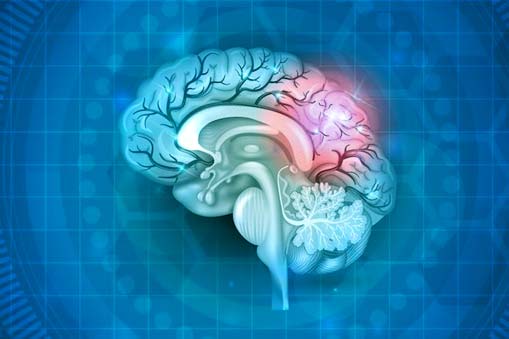
Physical, emotional, cognitive, and sleep symptoms that persist longer than several months are often referred to as Persistent Post Concussion Symptoms (PPCS). Persistent symptoms may be the result of the injury itself or may result from other medical or psychological causes. People diagnosed with PPCS are referred to specialists with training in concussion to help them recover. This newer terminology replaces Post Concussion Syndrome (PCS) and better reflects the symptoms experienced.