
With the start of a new school year, children across New Jersey will be resuming interscholastic sports participation. This webinar will provide an updated overview of the current best practices for diagnosis and management of concussion and post-concussion syndrome with an emphasis on overall athlete brain health. There will be a specific focus on what is most important to understand for school personnel (teachers, coaches, etc.) and parents of youth and high school athletes.
Sports Concussion
What is sports concussion? Sports concussions often occur in contact sports such as football, ice hockey, soccer and lacrosse, but they also occur in non-contact sports such as baseball, golf, and cheerleading. Most sports concussions don’t involve a loss or consciousness or a blow to the head, and many times, are overlooked by coaches and parents as they can be focused on the play. For most athletes, symptoms will resolve within two to four weeks, however for some, symptoms can persist for several months. Safe Return to Play If an impact or blow to the head is observed or suspected, and an athlete displays any of the above symptoms, they should follow the steps for a safe return to play. LEARN THE STEPS What are the signs and symptoms? What's the Difference?Signs of Sports ConcussionSymptoms Reported by AthleteWhat's the Difference? What makes a sport concussion different from other concussions? Athletes want to get back to play as soon as possible and may disregard other symptoms. The risk for a second concussion is higher when young athletes return to practice or competition too soon. The NJ Concussion Law has certain requirements before a student athlete can return to practice or competition. Signs of Sports Concussion Feel dazed or stunned Confusion Forgets plays or coaches instruction Uncertainty about opponents, time (e.g., which half, quarter), or score Alterations in coordination or clumsiness Gait or balance problems Shows personality, mood, or behavior change Forgets events prior to or after the impact Loss of consciousness Symptoms Reported by Athlete Headache or pressure in the head Dizziness Balance Problems Nausea or Vomiting Sensitivity to light Sensitivity to noise Lethargy or fatigue Problems remembering Poor attention/concentration Not feeling right Slowed processing Numbness or tingling Sleep problems How to manage a sports concussion How a sports concussion is diagnosed A sports concussion is a medical diagnosis and should be evaluated and diagnosed by a physician. Athletes may report symptoms during the game or after, and sometimes days later. These symptoms should be taken as seriously as those reported on the day of the impact, and the athlete should be evaluated by a physician. A doctor will review how the impact occurred, signs and symptoms, and medical history. They will also conduct a neurological examination which assesses vision, hearing, balance, coordination, and cognitive functions. Concussions should be managed by medical physicians and licensed healthcare providers who have specialized training in the management and treatment of concussion. Recovery from sports related concussion Cognitive and physical rest The standard of care following a diagnosis of concussion is physical and cognitive rest. During the first few days of recovery, athletes who have sustained concussion should restrict physical AND cognitive activities that require attention and concentration, as they may exacerbate and possibly prolong overall recovery. It is expected that athletes who have sustained concussion who limit relevant physical and cognitive activities will not require further intervention and will recover spontaneously. What limiting cognitive and physical rest looks like Student Athletes should be provided with a return to learn plan and a set of personalized academic accommodations to assist in their recovery. Some athletes may be [...]
Concussion
What is a concussion? A concussion is often referred to as a mild traumatic brain injury (mTBI) caused by a bump, blow, or jolt to the head or by a hit to the body that causes the head and brain to move rapidly back and forth. This sudden movement can cause the brain to bounce around or twist in the skull, stretching and damaging brain cells and creating chemical changes in the brain. There may be signs of injury to the head, such as bruising or cuts, or there may be no visible injury. A person does not necessarily lose consciousness after a concussion. Concussions are usually not life-threatening but, they should be taken seriously. Remember: A concussion/mTBI is an injury to the brain, not just ‘seeing stars’. Most people will recover completely within 2-3 weeks if given the proper periods of rest and a gradual return to activities. Repeated concussions occurring over an extended period can result in cumulative neurological and cognitive effects. Repeated concussions occurring within a short period of time can be catastrophic. Request a Workshop BIANJ offers customizable workshops for parents, teachers, and coaches. Contact us today to get your school up to speed on concussion prevention, recognition, and treatment. REQUEST A WORKSHOP Symptoms of Concussion Symptoms of concussion can vary, but common signs include: Dizziness Headaches Blurred Vision Nausea Vomiting Slurred Speech Appearing Dazed, Confused Ringing in the Ears Delayed Response to Questions What If I Have a Sports Concussion? LEARN THE SIGNS When to Seek Medical Attention Healthcare professionals recommend individuals contact their physician, call 911 , or go to the nearest emergency department immediately if someone sustains a bump, blow, or jolt to the head and has these symptoms: A headache that gets worse and does not go away Weakness, numbness, or decreased coordination Repeated vomiting or nausea Slurred speech Drowsiness or cannot be awakened Pupil asymmetry Convulsions or seizures Does not recognize people or places Increased confusion, restlessness, and agitation Unusual behavior Loss of consciousness Treatment Many people who have a concussion will experience initial symptoms such as headaches, dizziness, thinking difficulties, and changes in behavior. Symptoms typically diminish after two to three weeks. If symptoms continue beyond two weeks, it is important to consult with a healthcare professional trained in concussion management. Evaluation by healthcare professionals trained in the care of concussion is important After sustaining a concussion, it is very important to avoid any activity that places the individual at risk of sustaining another concussion Assure the individual that symptoms will subside if a recovery plan that balances rest and activity is followed Since most people will recover completely, accommodations will be temporary Healthcare professionals who are trained in concussion management will also take into consideration the stressors in the person’s life and how those may impact the recovery process. All factors need to be considered and addressed as a part of the recovery plan. The good news is that research shows that early identification, education, and management of symptoms can prevent long-term symptoms. Managing the symptoms through a balance of rest and activity is the key to recovery. Post [...]
Navigation Page
Looking for a place to start? Visit our most popular pages for commonly accessed information and support. Access brain injury resources, including educational materials, support services, and tools for individuals, families, and professionals. Our Helpline is open Monday through Friday, from 9 a.m. to 5 p.m. When you call, a trained Community Resource Specialist will talk with you. They can give you support, information about brain injury, and details about BIANJ programs. Find a Support Group Brain injury support groups allow people with brain injuries and their family members to connect with others, share experiences, and get emotional support. They also offer helpful information and friendships. Our support groups are located in 13 counties and statewide virtually. Learn About BI Whether you have a brain injury or concussion, are a caregiver or a professional, we have many resources available for you. Click here for our collection of brochures and fact sheets for survivors, caregivers, and educators. Need an ID Card? Download BIANJ’s Brain Injury ID Card to keep on hand in emergencies. CARES/Direct Support The BIANJ CARES (Connections, Assistance, Resources, Education and Support) Program helps people and families affected by brain injury. This program focuses on assessing current needs and developing a plan to help individuals achieve their greatest potential and improve their quality of life. Webinars BIANJ hosts a series of webinars throughout the year and maintains a library relevant to survivors, caregivers, service providers, and everyone in between. View the list below to register for upcoming webinars, or view past presentations. If you’re in need of further assistance, please give our helpline a call at 732-783-6172. Upcoming Webinars | Past Webinars on BIANJ's YouTube Channel FAQ Download BIANJ’s Brain Injury ID Card to keep on hand in emergencies. We're here to help. Call 732-783-6172.

BIANJ Navigation Center
Brain Injury Alliance of New Jersey About Brain InjuryConcussionSupport GroupsPeer Mentor ProgramDirect SupportSports ConcussionCaregiver ResourcesSupport Coordination We're here to help. Call 1-800-669-4323.
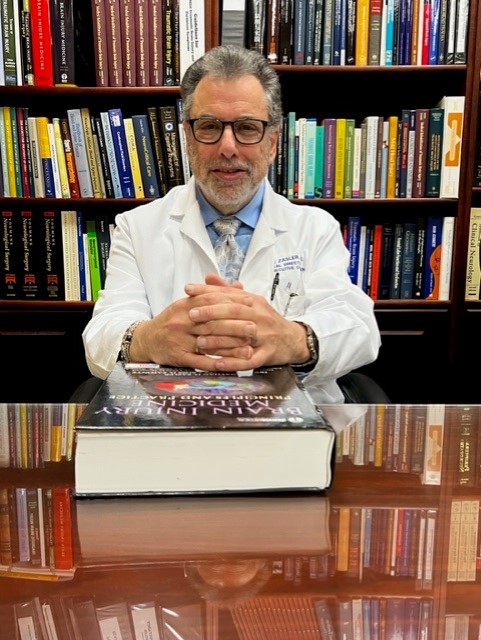
Nathan D. Zasler, MD, DABPM&R, FAAPM&R, FACRM, CIM, CBIST, Research and Innovation Champion
Nathan D. Zasler, MD, DABPM&R, FAAPM&R, FACRM, BIM, CBIST is Founder, CMO and CEO of Concussion Care Centre of Virginia, Ltd., as well Founder and current Medical Director of Tree of Life in Richmond, Virginia. Dr. Zasler is board certified in Physical Medicine and Rehabilitation, fellowship trained in brain injury rehabilitation and subspecialty certified in Brain Injury Medicine. He is an affiliate professor in the VCU Department of Physical Medicine and Rehabilitation, Richmond, VA, and a visiting professor in the Department of Physical Medicine and Rehabilitation at the University of Virginia, Charlottesville. Dr. Zasler is also a fellow of the American Congress of Rehabilitation Medicine. Dr. Zasler is internationally recognized as an expert in brain injury medicine and has published and lectured extensively on TBI related neuromedical issues. He has published well over 200 peer reviewed articles, authored over 60 book chapters and given over 700 academic lectures. He has edited eight textbooks as either editor in chief, co-editor or associate editor and is editor in chief of the core textbook “Brain Injury Medicine: Principals and Practice” now in its 3rd edition. He serves on numerous journal editorial boards and is chief editor of two peer reviewed international scientific journals: “Brain Injury” and “Neurorehabilitation”. He also serves as chief editor of the publication “Brain Injury Professional”. He is Emeritus Chairperson as well as Vice-Chairperson of the International Brain Injury Association (IBIA). Dr. Zasler was the first recipient of the NHIF Young Investigator Award, and among other awards has been recognized with the Sheldon Berrol Clinical Service award from BIAA. He has been repeatedly recognized by “Best Doctors”. Dr. Zasler is active in local, national and international organizations dealing with acquired brain injury and neurodisability, serving in numerous consultant and board member roles.

Perspective: Cognitive Behavioral Therapy for Insomnia Is a Promising Intervention for Mild Traumatic Brain Injury
Summarized by Dan Zhou, MD October 2023 Insomnia is one of the most common complaints after traumatic brain injury. It occurs in almost half of patients and is more common in those with mild injuries, also known as concussions. People with insomnia have difficulty falling and staying asleep at night. This can negatively affect day-to-day routines due to tiredness and difficulty concentrating. A recent article titled “Perspective: Cognitive Behavioral Therapy for Insomnia Is a Promising Intervention for Mild Traumatic Brain Injury” was published in Frontiers in Neurology which reviews cognitive-behavioral therapy for insomnia (CBT-I) in concussion patients. CBT-I uses a combined cognitive and behavioral approach to treatment. Some examples include concepts such as limiting stimulation at bedtime, relaxation training, cognitive therapy, and sleep hygiene training. The overall goal is to promote sleep at bedtime, improve the sleep/wake cycle, and address negative thoughts surrounding sleep which would decrease sleep-related anxiety and arousal. In treatment trials, CBT-I has emerged as the preferred treatment for insomnia. The article mentions that 70-80% of patients with insomnia experience lasting benefit from CBT-I and about half have complete resolution. Similar to treating insomnia in general, CBT-I is also preferred as the main treatment for insomnia in concussion patients. Compared to taking prescription medications or self-treating, CBT-I does not have the side effects that all medications may carry and can provide lasting benefits. To understand why CBT-I is most appropriate for insomnia after concussion, we need to understand the connection between the two. The leading theory of why insomnia happens frequently after concussion is discussed in the article. First some people are at risk be it through their genetics or personalities. This is followed by a trigger which would be the head injury. The last factor is the perpetuating loop that keeps the sleep issues going. This loop is due to changes in behavior and attitudes. For instance, some people may attempt to sleep longer by taking more naps during the day which can mess up normal sleep patterns. Additionally, having negative thoughts like “lack of sleep will negatively affect my recovery” causes a cycle of anxiety associated with sleep. It is specifically this perpetuating loop phase with all of its behavioral and emotional factors where CBT-I may have the greatest benefit. Improving sleep after concussion is important as it is shown to improve mental functioning, pain, depression, and anxiety. These are some of the reasons that CBT-I has been and remains promising for the treatment of insomnia in mild traumatic brain injury patients. For more information, view the article: https://www.ncbi.nlm.nih.gov/pmc/articles/PMC7575746/

Workshops
Customizable education for the community. The Brain Injury Alliance of New Jersey provides interactive workshops on a variety of brain injury related topics. Workshops can be customized for the audience and adapted for different ages. For in-person presentations, a 20 person minimum is required and a donation is suggested. To request a workshop please fill out the form. If you have any questions, contact bchabner@bianj.org. Brain Injury EducationTransportation SafetyBrain Injury Prevention & OtherBrain Injury Education Introduction to Brain Injury –This workshop provides an overview of the different types of brain injuries, common causes, symptoms and changes that result from brain injury, as well as strategies for assisting brain injury survivors. Adjustment to Brain Injury – Designed for brain injury survivors and caregivers to discuss the challenges of adjusting to life after brain injury. The workshop reviews the various changes that can result from brain injury, common responses to these changes, and strategies for developing support throughout one’s journey. Brain Injury in Students – Designed to teach educators and school staff how to support students with brain injury, this presentation reviews the different types of brain injury, the effect of brain injury on students, and accommodations and strategies for assisting students. Brain Injury & Substance Abuse –This workshop provides an introduction to brain injury, highlights the bidirectional relationship between brain injury and substance abuse, and offers strategies for working with individuals impacted by brain injury. Brain Injury & Domestic Violence –Designed to provide an introduction to brain injury, explore the connection and barriers associated with brain injury and intimate partner violence, and offers strategies for working with survivors of brain injury and domestic violence. Brain Injury & Mental Health –This workshop provides an introduction to brain injury, explores mental health concerns that are common after brain injury, and offers strategies for working with survivors of brain injury. Return to Work After Brain Injury –Designed for brain injury survivors and caregivers this workshop highlights common barriers to employment after brain injury and reviews the resources and accommodations that are available to assist survivors on their vocational journey. Introduction to Stroke – This workshop provides an overview of stroke, including the different types of stroke, signs and symptoms, risk factors, and strategies for prevention. The presentation also reviews the effects of stroke on the brain and body, the rehabilitation process, and the resources available to support survivors and caregivers on their recovery journey. Transportation Safety Helmet & Wheeled Sport Safety – Focuses on wheeled sport safety (bike, scooter, skateboard), including the importance of wearing a helmet and rules of the road. Distracted Driving – Designed to teach how to be aware of distractions and demonstrates how everyone can share the road. Strategies for drivers to prevent crashes and to understand pedestrian safety will be included. Pedestrian Safety – Focuses on safety tips for walking and crossing the road. Teen Safe Driving – Designed to educate teens about the GDL laws, pedestrian safety and how to be aware of distractions. Strategies for new drivers to prevent crashes and to learn how everyone can share the road will be included. Child Passenger Safety – Designed to help families [...]
Annual Seminar for Professionals
Save the Date! 2027 Annual Professional Seminar Wednesday, May 12, 2027 The Palace at Somerset Park, Somerset, NJ BIANJ's Annual Professional Seminar offers an educational and networking opportunity for professionals to gain knowledge of the latest research, best practices and effective strategies for working with individuals affected by brain injury. The knowledge level of the audience varies, including both new and experienced professionals. The seminar is a full-day conference consisting of a keynote presentation followed by three workshop blocks with three presentations in each block. Lunch will be served and organization exhibitors and student poster presentations will also be included. 2026 Keynote Address Unlocking Resilience: A New Hope for Well-being after Brain Injury Dawn Neumann, PhD, FACRM A brain injury (BI) can result in an array of sequelae that differ across individuals in terms of symptom type, severity, and persistence, as well as the degree of impact on daily functioning and participation. Across all treating disciplines, understanding modifiable risk factors that influence function is critical to informing necessary screening and post-injury care to optimize recovery. Recovery of symptoms after a BI, including concussion, is often influenced by resilience. As such, it is critical to identify factors that contribute to resilience. New research shows one such factor is alexithymia (impaired emotional insight). This keynote presentation will cover clinical characteristics of alexithymia, its relevance to resilience and outcomes after BI, and share evidence of a structured training program that targets alexithymia in people who have had a BI and its outcomes on resilience. Recognizing and treating alexithymia has the potential to improve outcomes from concussion to severe BI. Dawn Neumann, PhD, FACRM is a Research Scientist and Manager of Brain Injury Research at JFK Johnson Rehabilitation Institute. She has a PhD in Rehabilitation Science from SUNY Buffalo, NY and her MA in Psychology from Rutgers, NJ. Her research aims to advance the understanding and treatment of social cognition and emotion dysregulation deficits after traumatic brain injury. She serves on the Journal of Head Trauma Rehabilitation editorial review board, and is an active member of the American Congress of Rehabilitation Medicine (ACRM), where she has been honored as Fellow for her contributions to the organization. She has received several awards for her research in brain injury from ACRM, including the Deborah Wilkerson Award, Mitchell Rosenthal Award, and the Joshua Cantor Scholar Award. 2026 Seminar Brochure2026 Sponsors Past Seminars 2025: Enhancing Understanding Across the Brain Injury Spectrum 2024: Bridging the Disparity Gap: Improving Equity in Brain Injury Care and Prevention 2023: Uncovering the Invisible: Uncovering the Silent Epidemic of Brain Injury 2022: Building Community and Enhancing Quality of Life After Brain Injury 2021: Exploring and Navigating the Scope and Diversity of Brain Injury 2020: A 2020 Perspective: Improving TBI Outcomes in the Next Decade 2019: Moving Forward in Brain Injury: Evidence in Action 2018: Exploring Diverse Issues in Brain Injury 2017: Making New Connections Following Brain Injury 2016: Achieving Meaningful Outcomes
Fall Prevention Education
A Fall-Free Future: Shielding New Jersey from Traumatic Brain Injuries Our mission is to promote safety, raise awareness, and prevent brain injuries. Falls can happen to anyone at any time. Certain populations are at higher risk for falls including children, people with disabilities, and older adults. Some industries and workplaces also face higher risks of falls. As an organization dedicated to safeguarding our community's well-being, we strive to address the alarming prevalence of traumatic brain injuries (TBIs). Our commitment to fall prevention education empowers individuals and families to create safer environments and protect their loved ones from unnecessary risks. Together, we can make a significant impact on preventing brain injuries and fostering a safer, more secure future for all. Join us in our efforts to build a safer New Jersey for generations to come! ChildrenWorkplaceOlder AdultsChildren Preventing Falls in Children Every day, 8,000 children require emergency room treatment for fall-related injuries—making falls the leading cause of Traumatic Brain Injury (TBI) among children aged 0 to 4. These alarming statistics highlight the urgent need for preventive measures to safeguard our children's well-being. Causes of these fall-related injuries among children include sports-related incidents and falls from stairs, windows, and playground equipment. Understanding simple prevention strategies can help to reduce the risk of falls. Preventive Measures to Safeguard Children from Fall-Related Injuries Always use proper protective gear, such as helmets, while playing sports. Always wear helmets when riding bicycles, scooters, skateboards, or participating in other wheeled sports. Maintain constant supervision of young children around fall hazards or when they are on elevated areas. Install protective rails on beds and guards on windows. Utilize gates at both ends of stairways to prevent young children from accessing stairs without supervision. Ensure play areas are well-maintained and regularly inspected, ensuring playground equipment is free from hazards. By implementing these preventive measures and raising awareness about the risks of fall-related injuries, we can create a safer environment for our children. Family & Children Fall Prevention Resources Falls in Children and Youth: Hospitalizations SafeKids Worldwide: Fall Prevention Tips Childhood Falls Fact Sheet Workplace Preventing Workplace Falls 18% of non-fatal workplace injuries nationwide are caused by falls. While falls can happen in any workplace, certain industries are at higher risk. These incidents can result from unguarded edges, damaged safety equipment, slippery conditions, improperly installed guardrails, improper ladder use, obstructed views, inadequate lighting, and failure to utilize fall prevention equipment when working at heights. Preventive Measures to Ensure a Safer Work Environment Use physical barriers, guardrails, or scaffolding to prevent falls from heights. Utilize harnesses or anchor points when necessary. Practice proper ladder usage, always adhering to safety guidelines. Promptly clean up all spills and remove debris to eliminate slip hazards. Ensure work areas are well-lit to improve visibility and reduce the risk of tripping. Regularly inspect safety equipment before each use to guarantee its effectiveness and reliability. By adopting these preventive measures, employers and workers can significantly reduce the likelihood of falls, fostering a safer and more secure work environment for everyone. Workplace Fall Prevention Resources Planning a Multi-Layered Approach to Fall Prevention and Protection How High Is Deadly? [...]